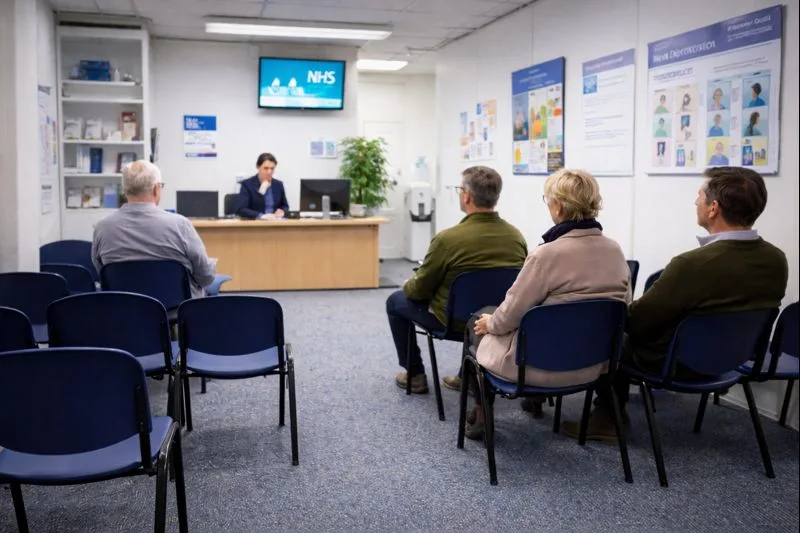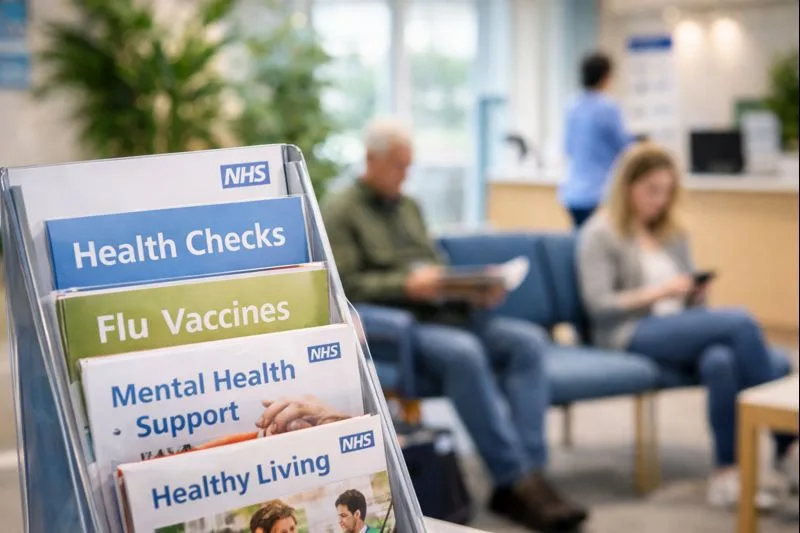
Registering with a GP (General Practitioner) is often the first doorway into the UK’s healthcare system. Whether you’re living here long-term, moving cities for work or study, or here temporarily, your GP is the person who coordinates almost everything non-emergency — from repeat prescriptions to specialist referrals and mental health support.
Yet despite being something nearly everyone has to do, very few people actually understand how GP registration works in practice. Official guidance can feel vague, and anecdotal stories often make the process sound harder than it really is. This guide breaks it all down in plain language.
Why GP registration matters
In the UK, GPs act as gatekeepers to the NHS. This can surprise newcomers — especially those from countries where you can self-book a dermatologist, psychiatrist or cardiologist without going through a general doctor.
With a registered GP, you can:
-
get advice for common physical and mental health issues
-
request tests (bloods, scans, screenings)
-
receive vaccinations and contraception
-
manage long-term conditions
-
get referred to NHS specialists
-
access NHS community mental health services
-
get Fit Notes for employers
-
manage medication and repeat prescriptions
In other words, a GP is the hub — almost everything you need connects through them.
Who can register with a GP? (Eligibility explained using real-world scenarios)
Most people living in the UK can register with a GP, even if their situation is complicated. The NHS intentionally keeps this barrier low to prevent minor problems turning into emergencies.
People who can register include:
✔ UK citizens and long-term residents
This is the default group — and the process is straightforward.
✔ People on visas (work, student, family, etc.)
You can register even if your visa is temporary or short-term.
Example: A student from Singapore in Edinburgh for a 12-month course can register like any UK resident.
✔ Asylum seekers and refugees
Registration is strongly encouraged for continuity of care and mental health support.
✔ Homeless people & those with no fixed address
This is a common misunderstanding — lack of address must not block registration.
Example: Someone staying in temporary accommodation can use a hostel address or even describe a location.
✔ People without documents or ID
NHS guidance is explicit: ID and immigration status must not be used to refuse care.
✔ Short-term or temporary residents
Visitors staying with family or on placement can register temporarily for up to 3 months.
What this means in practice:
The UK’s healthcare model prioritises early healthcare access over immigration administration. That design choice reduces long-term cost to the NHS and prevents preventable emergencies.
Official NHS policy confirms this:
https://www.nhs.uk/nhs-services/gps/how-to-register-with-a-gp-surgery/
Documents: What practices ask for vs. what’s legally required
Here’s where reality diverges from rules.
In theory (NHS rules):
No ID, no proof of address, no visa, and no confirmation of immigration status is required.
In practice (real life):
Reception teams often request ID or proof of address because it simplifies administrative data entry. They are not doing immigration checks — they are trying to match you to your NHS number or assign one.
Commonly requested documents include:
-
passport or driving licence (photo ID)
-
tenancy agreement or accommodation letter
-
bank statement or utility bill
-
council tax bill
-
university acceptance letter
-
sponsor letter (for asylum seekers/refugees)
If you cannot provide these, you can still insist politely. A useful line at reception is:
“I understand NHS guidance states ID or proof of address are not required to register with a GP.”
Most staff will accept this once reminded.
How registration works (with context so you understand why each step exists)
Step 1: Choose a GP in your catchment area
Practices serve specific geographical zones, known as catchment areas. This prevents overload in popular surgeries and ensures home visits (rare but not obsolete) remain feasible.
Use NHS search tool:
https://www.nhs.uk/service-search/find-a-gp
Step 2: Check if they accept new patients
Demand varies sharply by region — London, Bristol, and Brighton see high turnover due to students and renters; rural areas often have better capacity.
A simple call:
“Are you currently accepting new NHS patients?”
Step 3: Complete registration forms
Most practices require:
-
GMS1 form (standard NHS form)
-
a practice-specific health questionnaire
-
sometimes details about medication/allergies for safe handover
Some now offer digital onboarding, reducing paperwork.
Step 4: Optional identity/address verification
If provided, it speeds admin. If not provided, it cannot block care.
Step 5: Confirmation
Once registered, your NHS record is linked or created. If you had a previous GP, your notes are transferred electronically — a process that can take days to weeks depending on file size and format.
Digital registration is increasing — especially post-COVID
Many urban practices now support:
-
online registration flows
-
email for documents
-
remote prescription management
-
NHS App integration
-
online triage systems
-
online contraception forms
-
remote medication reviews
This benefits people who move frequently (students, renters, contractors) and provides safer triage during winter peaks.
Why GP refusals happen (and when they’re legitimate)
A GP practice can refuse registration for valid operational reasons, such as:
✔ Out-of-area application
Practices are not obliged to take patients outside their boundaries.
✔ Full capacity
Many surgeries run at near 100% patient list density.
✔ Safety concerns
Rare cases involving practice bans or legal measures.
They cannot refuse because of:
✘ immigration status
✘ nationality
✘ lack of visa
✘ lack of ID/proof of address
✘ homelessness
✘ unclear paperwork
If you encounter refusal, Citizens Advice has a strong help page:
https://www.citizensadvice.org.uk/health/
Waiting times — one of the most important differences between NHS & Private
Waiting times exist at multiple levels:
Registration confirmation
-
Typical: 2 days – 2 weeks
-
Peak times: student arrival (Sept–Oct), winter pressures
Routine GP appointment
Highly variable by region:
-
London / Bristol / Manchester: 7–20 days
-
University towns (Cambridge/Oxford): 8–21 days in term
-
Rural areas: 2–7 days
Same-day slots are often available for urgent issues if you call early morning.
Specialist referrals
NHS referral waits are longer and vary by specialty:
-
Dermatology: 2–4 months typical
-
ADHD assessments: 1–3 years in many counties
-
Musculoskeletal: 6–18 weeks
-
Mental health Talking Therapies: 4–12 weeks typical
For mental health access comparisons, see:
https://allhealthandcare.co.uk/resources/how-to-access-mental-health-services-in-uk
Private GP vs NHS GP: Why some people use both
Private GPs are not a replacement for NHS GPs — they serve different purposes.
Advantages of private:
-
same-day or next-day appointments
-
more time per appointment (15–30 min)
-
no catchment restrictions
-
faster diagnostics (privately funded)
Advantages of NHS:
-
no appointment fees
-
access to NHS-funded specialists
-
integrated medical records
-
continuity of care for long-term needs
Hybrid model:
Many people keep an NHS GP for chronic care and referrals, and occasionally pay for a private GP when speed matters (travel vaccinations, minor dermatology, contraception renewals, anxiety medication reviews, etc.).
If you move house (or country) — what happens to your GP registration?
If you move:
Within the same catchment area:
You can usually stay registered.
Outside the catchment:
You will normally need to re-register, especially if you require services like home visits.
Moving to university:
Universities often push registration during freshers’ week to avoid prescription disruptions later.
Returning abroad after living in UK:
Your NHS record remains in the spine but becomes inactive.
What if you need care before registration completes?
This happens frequently for newcomers. Options include:
-
NHS 111 (phone or online) for non-life-threatening issues
https://111.nhs.uk/ -
community pharmacies for minor illnesses/contraception advice
-
urgent care centres / walk-in centres (where available)
-
A&E only for emergencies
Pharmacies in England now have expanded independent prescribing options under the Pharmacy First scheme (2024 onward). This reduces GP demand for minor conditions.
FAQ — Real questions asked by real people
Do I need an NHS number?
No. If you don’t have one, the practice will request it or assign one.
Do I need to pay to register?
No. GP registration and GP appointments are free.
Can a GP kick me off their list?
Only under specific circumstances, and usually with written notice.
Can I register with two GPs?
No. You have one registered GP at a time.
Final takeaway
Understanding how GP registration works removes friction and anxiety — especially if you’re new to the UK or the healthcare system feels unfamiliar. Most refusals are misunderstandings, not policy. Most delays are operational, not bureaucratic. And once registered, it becomes vastly easier to access mental health care, specialist services, contraception, vaccinations and ongoing clinical support.